
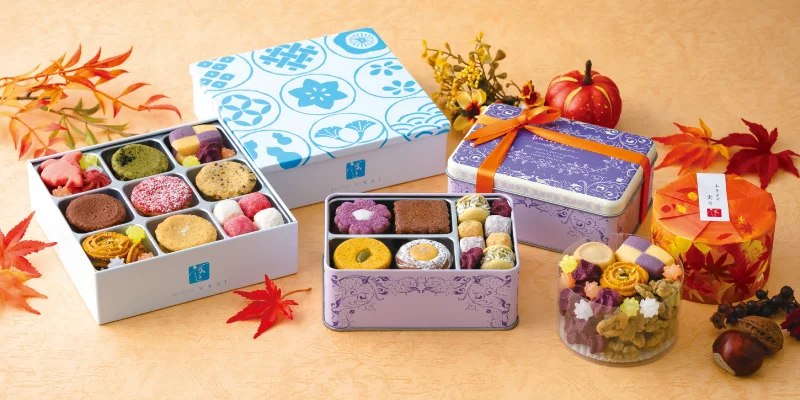
We’ve previously covered spring and summer seasonal exclusives. Now let’s head into the colder months of the year.
Autumn Specials - 秋季限定
Around October, sweet potatoes or (さつまいも) start appearing throughout Japan. It’s such a recognizable flavor of the season that convenience stores and retail chain Donki will set up stations selling (焼き芋) or roasted sweet potatoes, and yakiimo trucks drive around certain areas offering a hot snack for people to buy. Many snacks and drinks also feature (スイートポテト), a paste or flavoring made from sweet potato often written in katakana to differentiate it from the actual vegetable.
Chestnuts or (栗) are another popular autumn flavor that gets picked for seasonal campaigns. Chain coffee shops often put out chestnut lattes, and many bakeries and patisseries will push their chestnut-based products like mont blanc cakes and breads. It’s good to keep in mind, though, that the French word (マロン) is used to refer to chestnuts in the context of sweets and Western-style dishes.
As for fruits of the season, nothing says autumn like apples. While apple dishes and various apple-flavored products are widely available during the season, consider doing something different for your trip to Japan: apple picking. Aomori Prefecture up north is known to produce the majority of Japan’s apple supply, but areas like Nagano and Gunma are also popular areas for apple picking closer to Tokyo. It’s a fun way to experience other parts of the country and a chance to get the freshest produce.
As temperatures start dropping, persimmons become widely available at supermarkets throughout Japan. They’re not as widely used in other snacks as other foods on this list, but the seasonal dried persimmons known as (干し柿) are sought after delicacies. The artisanal process takes weeks of meticulous care so don’t be surprised by how expensive hoshigaki can be. And since it takes time, people who want to buy hoshigaki have to wait until winter.
Winter Specials - 冬季限定
Most items on this list have been fruits and vegetables, but crabs are a must when it comes to winter’s offerings. Even though crabs become available in the market as early as November and go all the way until spring, their image is highly associated with the coldest time of the year. Tons of seasonal dishes at restaurants include crabs, particularly the Japanese snow crab known as (ズワイガニ). Crabs are so popular in winter that it’s possible to find limited edition crab-flavored chips, instant ramen, and other products that you can bring home.
(みかん), also known as satsuma mandarin, is a type of citrus similar to oranges. They start popping up at stores in early autumn, but the sweetest mikan peak around mid-winter. In fact, mikan is so closely associated with the season that it’s often seen in various imagery during winter—particularly relating to New Year celebrations. During this time mikan gentei products range from juices to ice cream to desserts, so citrus lovers have tons of options to choose from.
During winter, we also have another popular citrus known as (柚子). Unlike other fruits we’ve mentioned here, it’s not usually eaten on its own. It’s so acidic that it’s almost too sour to snack on, but its juice and zest have a delicious citrus flavor that works well with other foods. (ポン酢), a type Japanese sauce with a citrus-base, is often made with yuzu juice.
One unique winter tradition associated with the fruit is (柚子湯), or a hot bath infused with yuzu. It’s a relaxing wintertime activity where people can enjoy the heat of the water with the refreshing scent of the fruit. Izu Shaboten Zoo, located in Shizuoka, is popular for their capybara baths where visitors can watch the animals also take part in this bathing ritual during the winter.
Like summer’s kakigōri, (おでん) and (鍋) are more seasonal dishes than flavors. Walk into a convenience store around fall and you might notice the smell before you even spot the steam rising by the counter. This is oden, a dish of various ingredients simmered in a soy-dashi broth. While some items are common across convenience stores and supermarket packs, restaurants that specialize in oden might have special menu items.
Another staple dish for the cooler months is nabe, which is more of a style of cooking than a dish with a specific recipe. Similar to hotpots from other Asian countries, whatever goes into nabe is up to personal preference—from the broth base to all the other ingredients. Some regions of Japan have specialty nabe dishes using local ingredients, so it’s a really great way to try a region’s cuisine.
Some restaurants also serve specific types of (鍋物) or nabe dishes throughout the year. (もつ鍋) is a type of stew made from beef or pork offal that originated in Fukuoka, though nowadays it can be found in other areas of Japan. Meanwhile (ちゃんこ鍋) started out as a dish made for sumo wrestlers to gain weight as they trained, but now it’s served at specialty restaurants especially around Tokyo’s Ryōgoku district.
No matter what time of the year it is, there are seasonal exclusives for you to find on your trip. But if it’s a limited edition figure, don’t wait to go to Japan to pick it up. Keep an eye out for pre-orders available at TOM, especially for limited edition merch and collab goods! Stay up-to-date with those special releases via our socials.